Problem
Companies struggled to motivate employees to stay active, as existing wellness programs lacked engagement, consistency, and personal relevance.
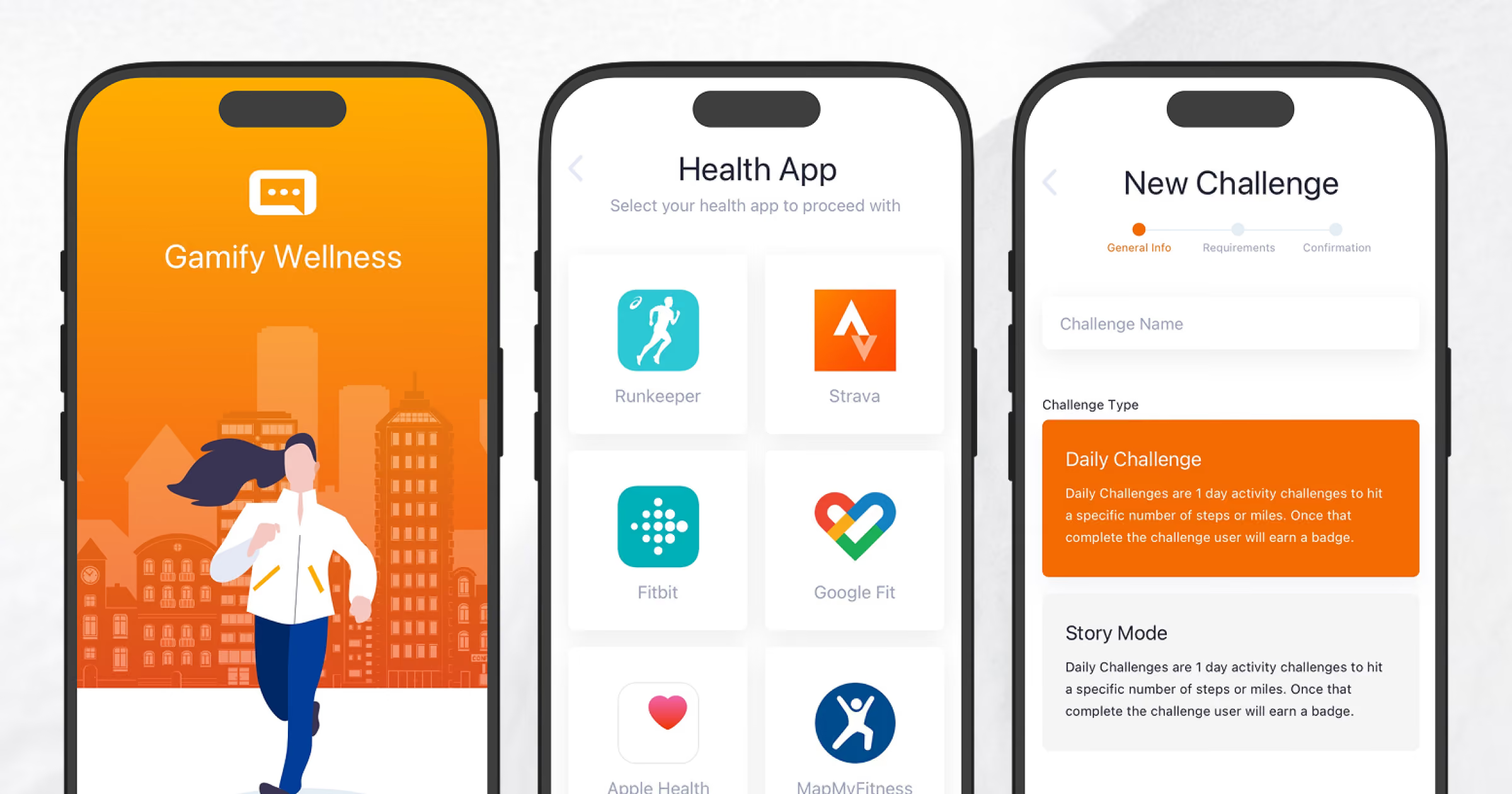
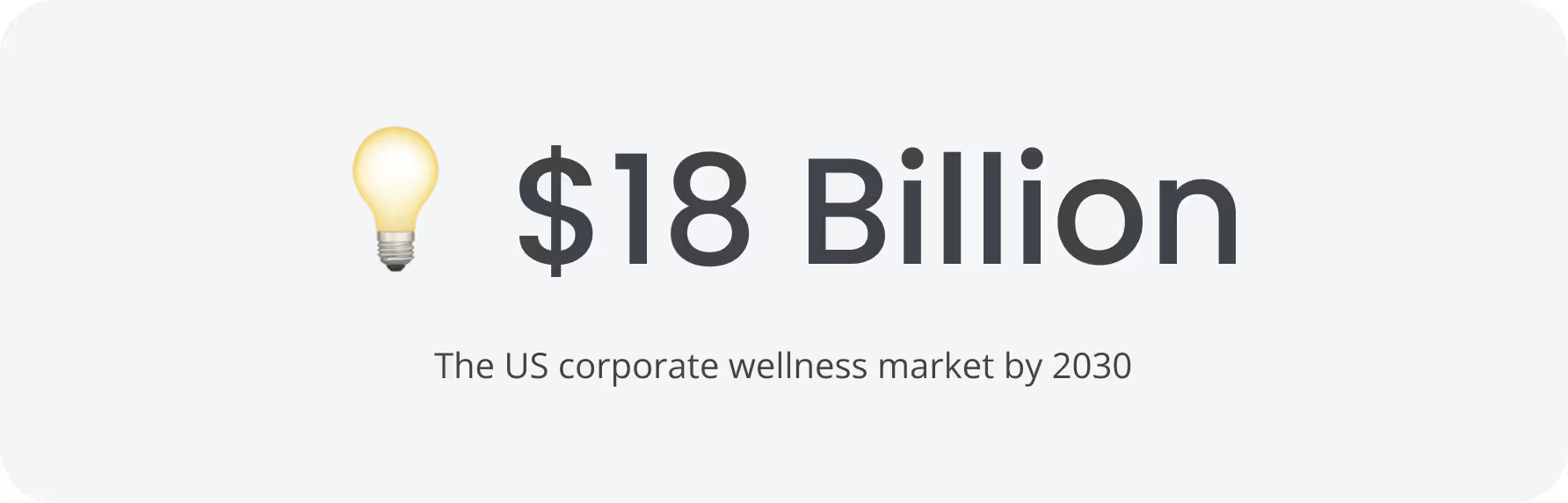
Only 23% of employees engaged with traditional wellness programs. I built a mobile-first gamified platform for the $18B market, projecting 40% higher engagement and 8,000 daily challenges.
We project growing to 25,000 active users as companies adopt Gamify Wellness to improve employee health and engagement.
The app is expected to drive up to 8,000 daily challenges completed, motivating employees to be more active consistently.
We anticipate 5,000+ social interactions monthly through leaderboards, team competitions, and shared achievements, fostering community.
Users are projected to reach over 3,500 wellness goals each month, reinforcing positive behavior change and motivation.
With an engaging reward system, employees may redeem 2,000+ rewards monthly, boosting satisfaction and ongoing participation.
By gamifying wellness, companies can expect up to a 40% increase in employee engagement in health programs, leading to healthier, more motivated teams.

Olha worked on a website and mobile app design for me. I couldn't have been happier with her creative eye and professionalism.
Employee wellness programs often struggle with low engagement—just 23% of employees participate, according to Gallup. Most initiatives feel generic, disconnected from daily routines, and fail to inspire long-term commitment.
This gap revealed an opportunity. What if staying active felt like a game, not a chore? By integrating friendly competition, progress tracking, and rewards, Gamify Wellness aims to make fitness engaging, social, and sustainable right from your phone.

Many employees struggled to stay motivated with traditional wellness programs that lacked variety and feedback.

Standardized programs failed to resonate with users of varying fitness levels, resulting in low long-term engagement.

Participants wanted features that allowed them to connect, compete, and celebrate progress with coworkers.

Users expressed a need for fitness goals and challenges tailored to their individual needs, not broad company-wide objectives.
In today's fast-paced work environment, traditional wellness programs often fall short, with only 20% of employees highly engaged in such initiatives . This disengagement underscores a pressing need for more interactive and personalized solutions.
The U.S. corporate wellness market size was valued at USD 18.4 billion in 2022 and is expected to expand at a compound annual growth rate (CAGR) of 3.87% from 2023 to 2030.
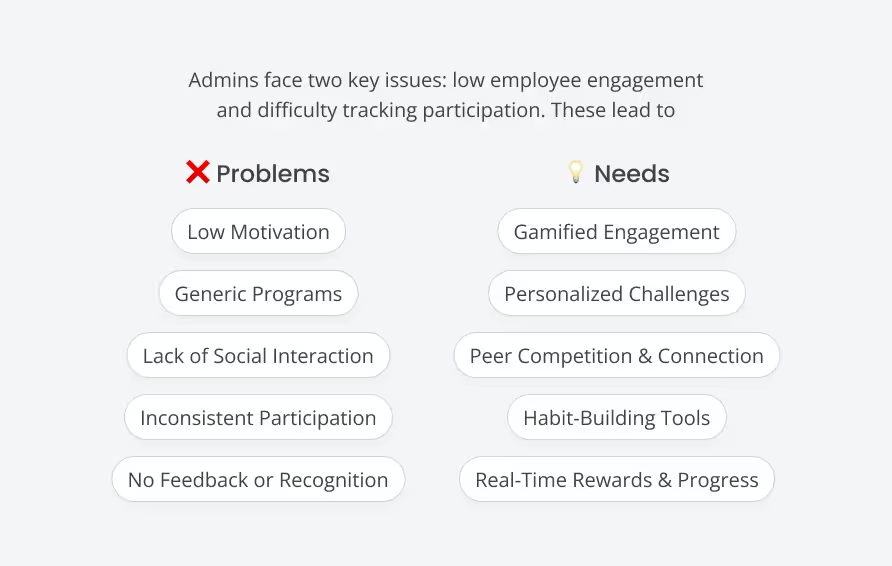
To build lasting impact, it’s critical to address challenges across key moments: Motivation → Personalization → Social Connection → Habit Formation → Recognition.
Discover the five key obstacles employees face in traditional wellness programs and how Gamify Wellness turns each into an opportunity for engagement, motivation, and lasting healthy habits.
To reach early adopters, Gamify Wellness targeted mid-sized companies with remote or hybrid teams—segments actively seeking fresh ways to boost employee well-being and connection.
We positioned the app as a modern, lightweight alternative to outdated corporate wellness platforms.

User research revealed that employees struggle with staying motivated in traditional wellness programs. Many found them dull, inconsistent, or too generic.
Social connection and personalized challenges were identified as key motivators, with users expressing a desire for progress tracking, peer interaction, and rewards that felt meaningful.
“I want to stay active, but most wellness programs feel like chores, not something I look forward to.”
— Marketing Coordinator, 32
“If I could compete with coworkers or see my progress visually, I’d actually stay motivated.”
— Customer Support Agent, 28
These insights guided the design of the core experience by incorporating gamified challenges, real-time leaderboards, and customizable goals. The aim was to create a wellness platform that feels engaging, fosters social connection, and motivates users to maintain healthy habits over time.
The employee wellness market features several key players aiming to boost physical activity through gamification and incentives.
Gamify Wellness differentiates itself by combining seamless social interaction, highly customizable challenges, and an intuitive mobile-first design that reduces friction and keeps users engaged daily.
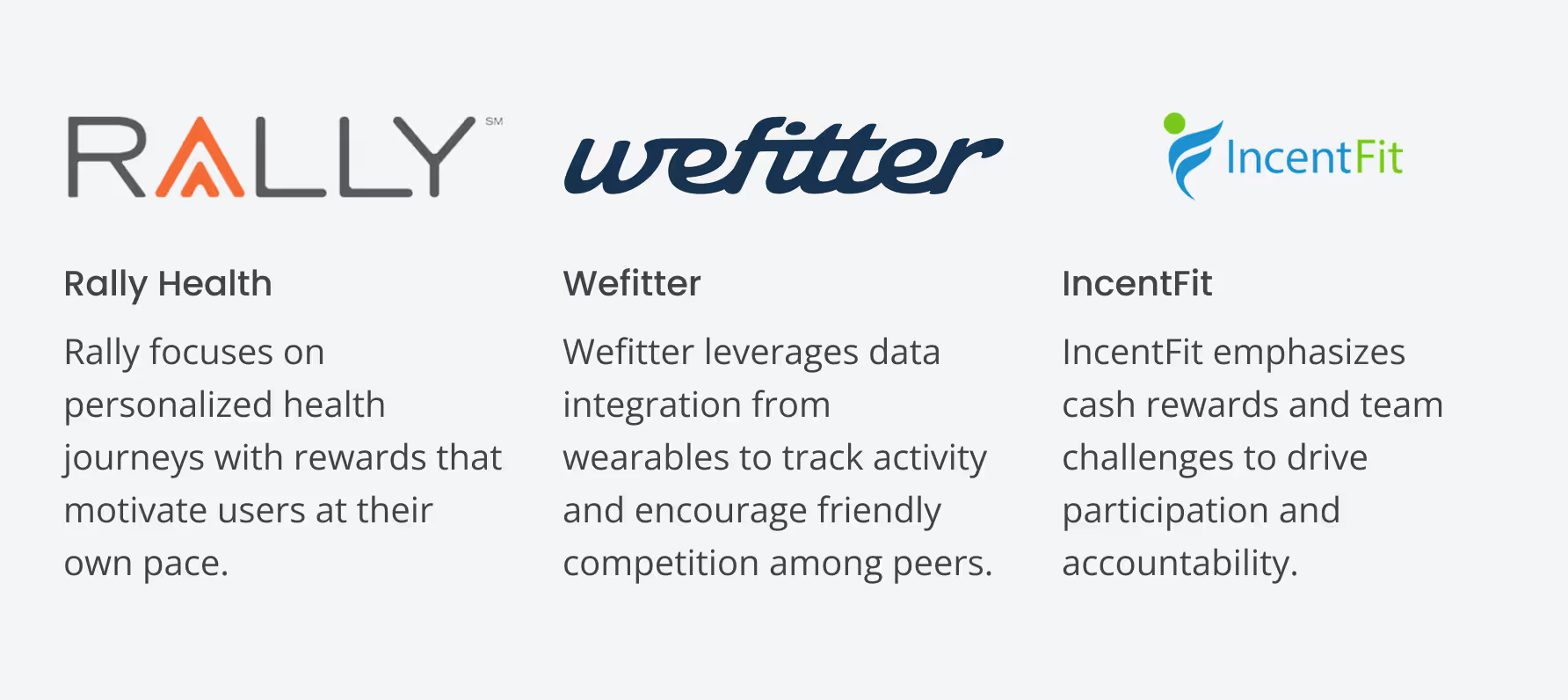
Out of all the competitors these are the closest that compare. At this moment we believe that Gamify Wellness is the simplest and easiest platform to navigate.
We suggest that Wefitter has the best product to serve the needs of the HR department. Based on our interviews Wefitter is not very known in our market.
To move quickly, I led the design of an interactive prototype and conducted usability tests with employees and wellness program admins.
The goal was to uncover:
Which features drive the most engagement?
Where do users face challenges maintaining motivation?
What elements boost ease of use and long-term adoption?
📌 Insight: Employees wanted simple, motivating challenges combined with social interaction—not just a tracking app..
The app’s core had to inspire consistent movement by offering:
Personalized fitness challenges: Tailored to different activity levels to prevent drop-off.
Real-time leaderboards: Encouraging friendly competition among employees.
Instant progress tracking: Providing immediate feedback to sustain motivation.
📌 Insight: Users needed challenges that felt achievable and rewarding, so the design focused on clear goals and social encouragement—not just raw activity data.
User testing showed participation dropped when the app felt complicated or time-consuming.
To fix this, I:
Streamlined challenge enrollment with one-click sign-ups and reminders.
Integrated social sharing and team-based goals to build community.
Added flexible challenge durations so users could engage at their own pace.
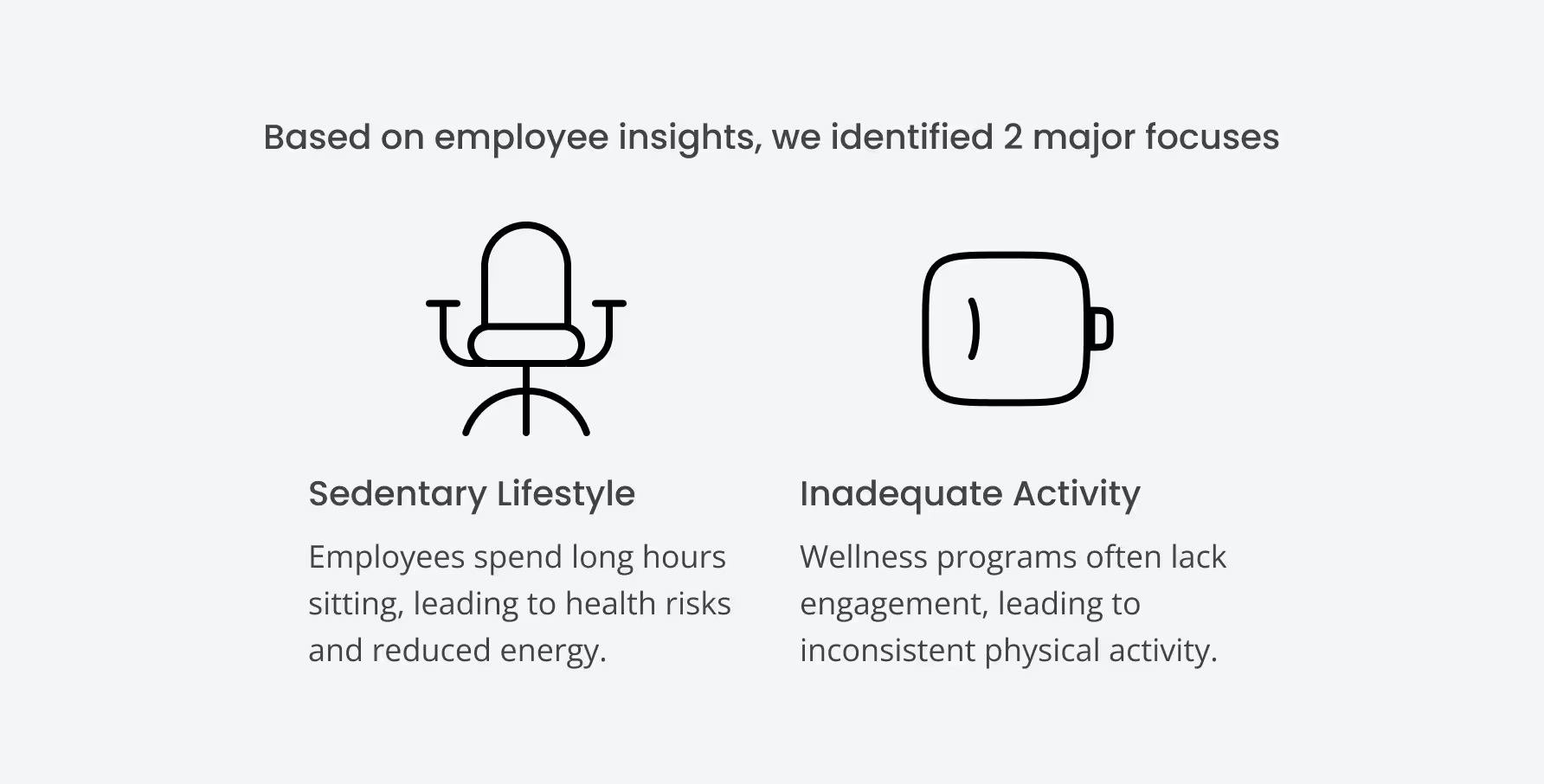
💡 Result: These improvements aimed to reduce barriers to activity, boosting daily engagement and helping overcome sedentary habits.
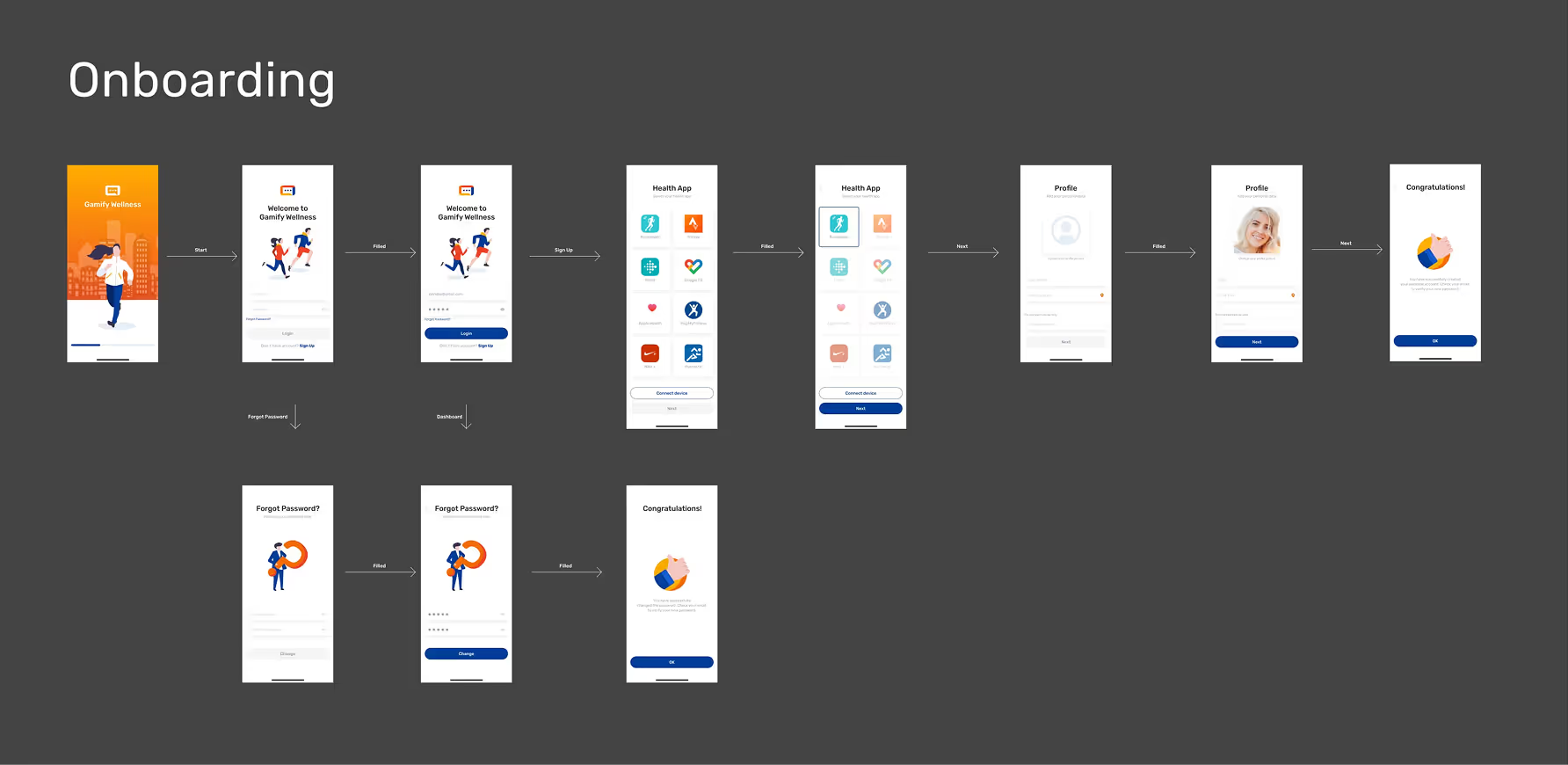
The app’s design centers on a seamless user journey from onboarding to daily engagement making wellness challenges easy, motivating, and social at every step. Below are key screens that bring this experience to life.
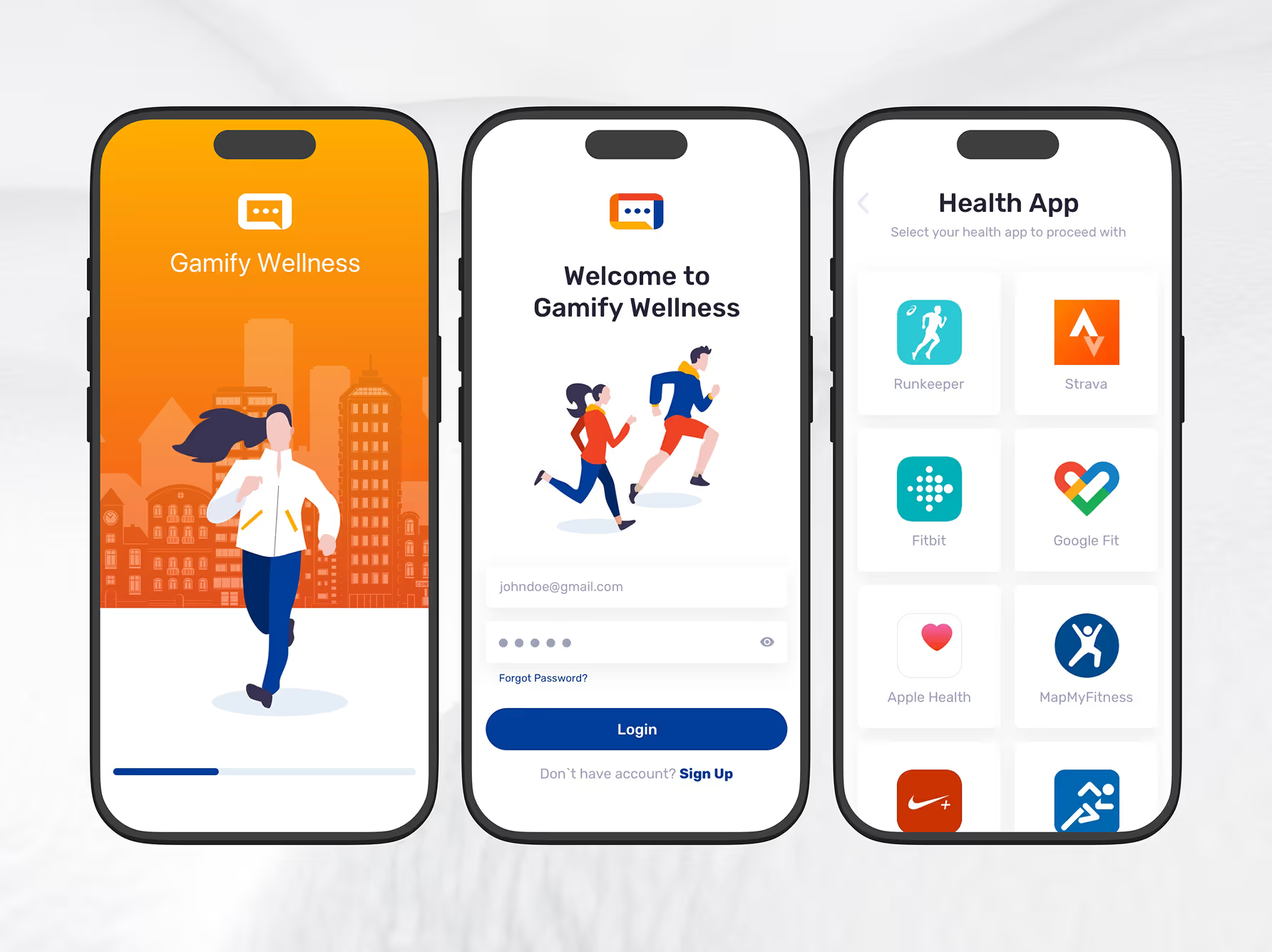
Guided new users through a simple setup to personalize fitness goals and introduce key app features, ensuring a smooth and motivating first experience.
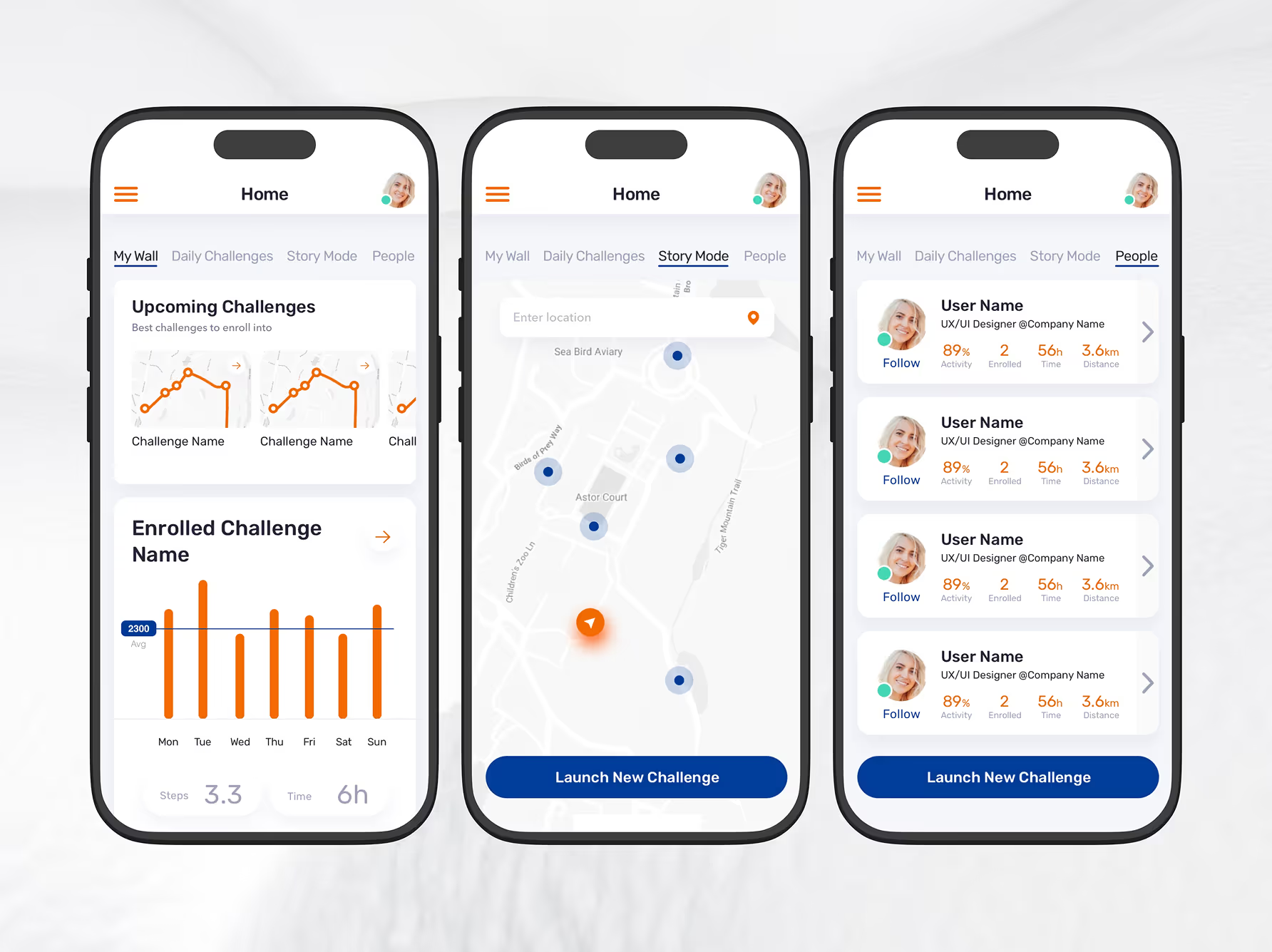
Provided an engaging dashboard displaying current challenges, progress stats, and leaderboards, designed to keep users motivated and connected.
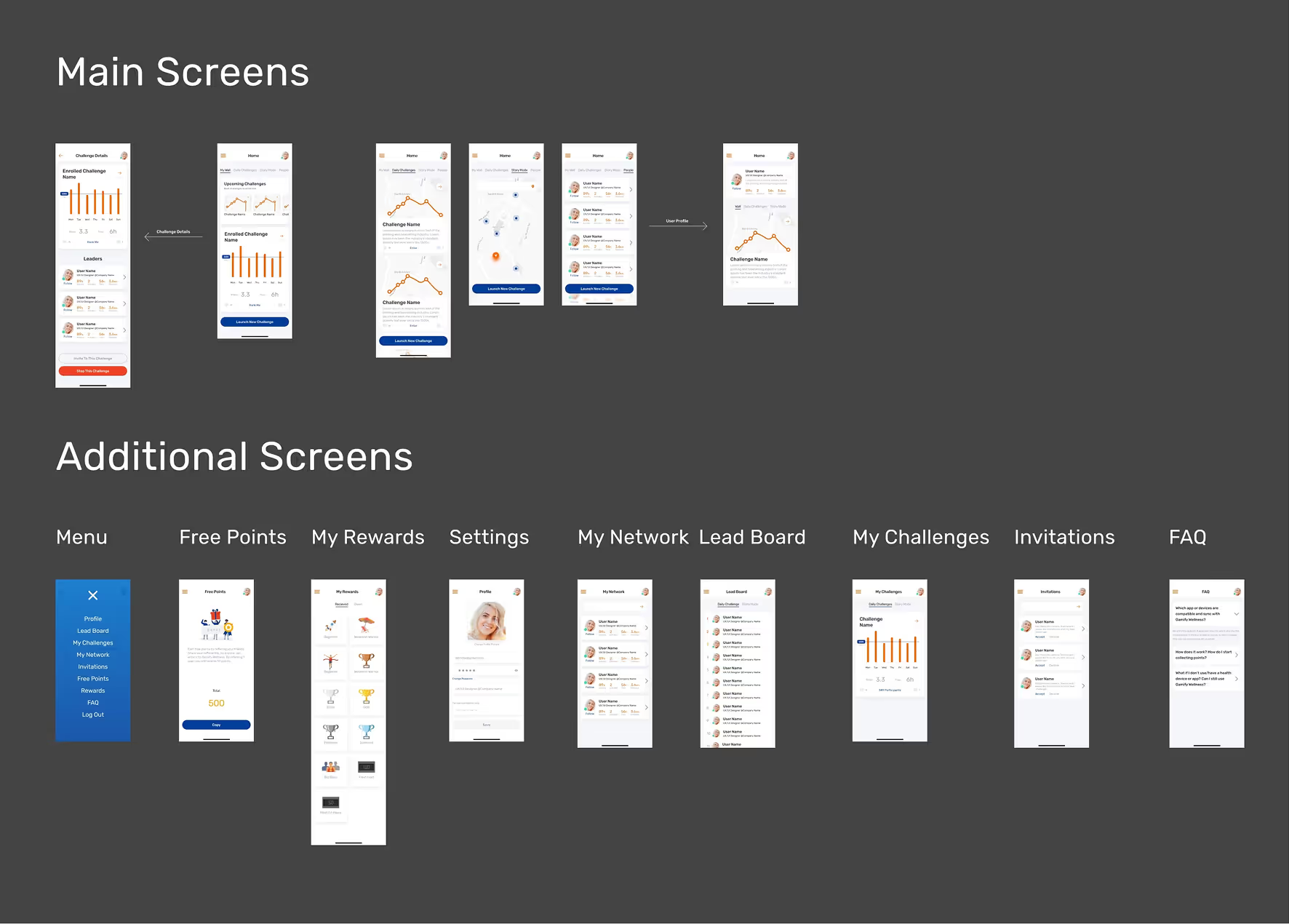
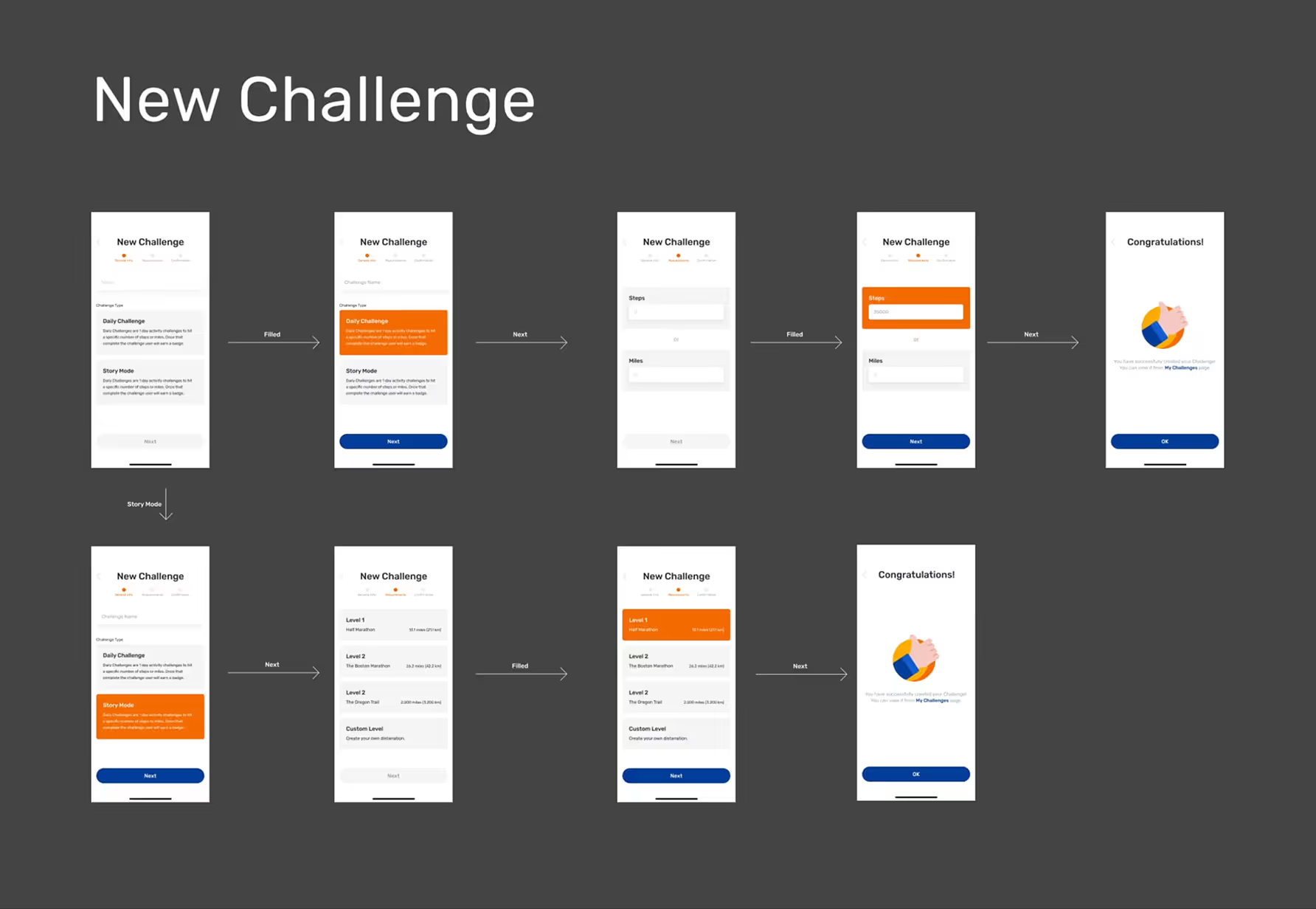
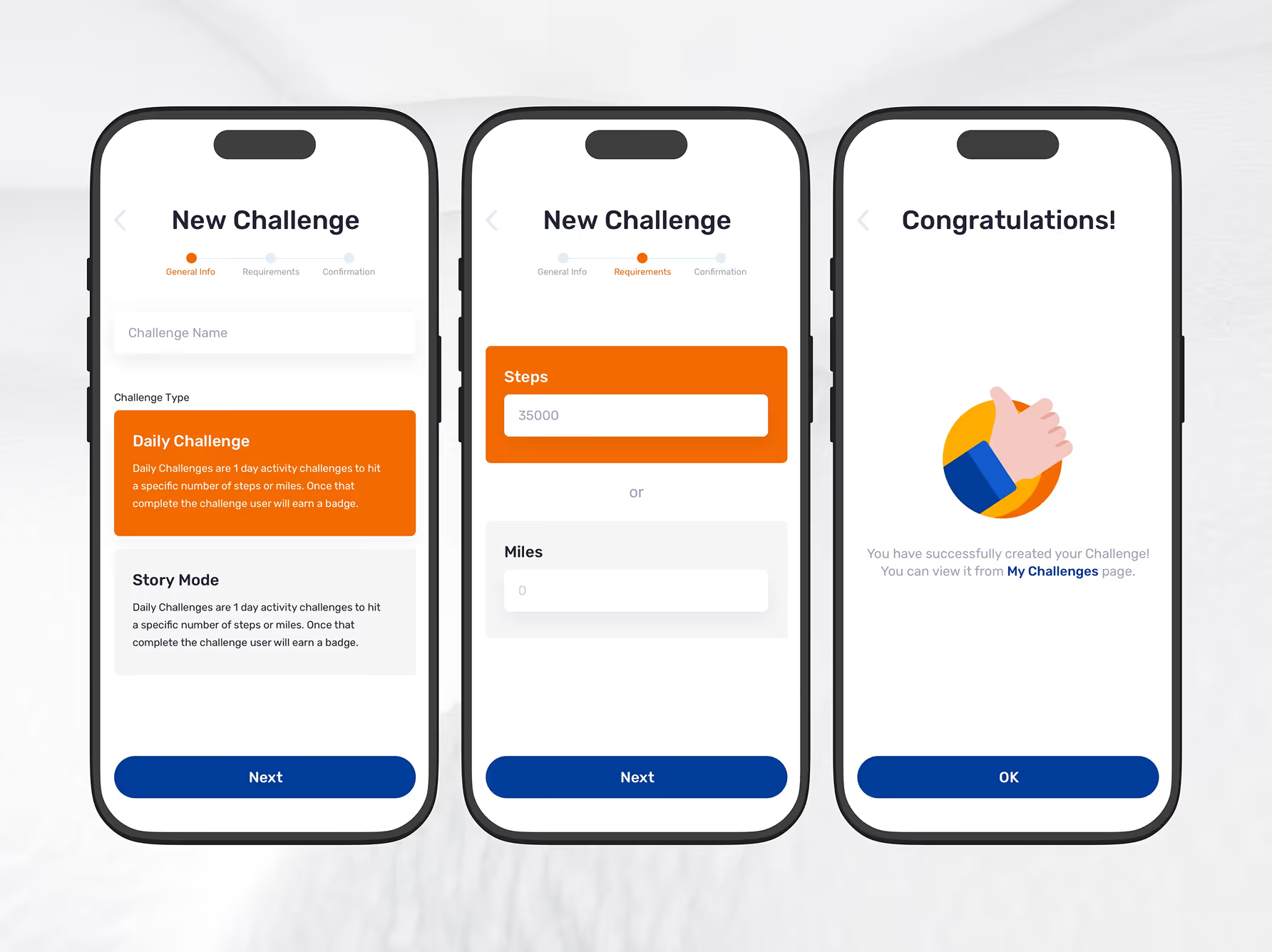
Streamlined the process to join or create personalized fitness challenges with clear instructions and social sharing options to boost participation and fun.
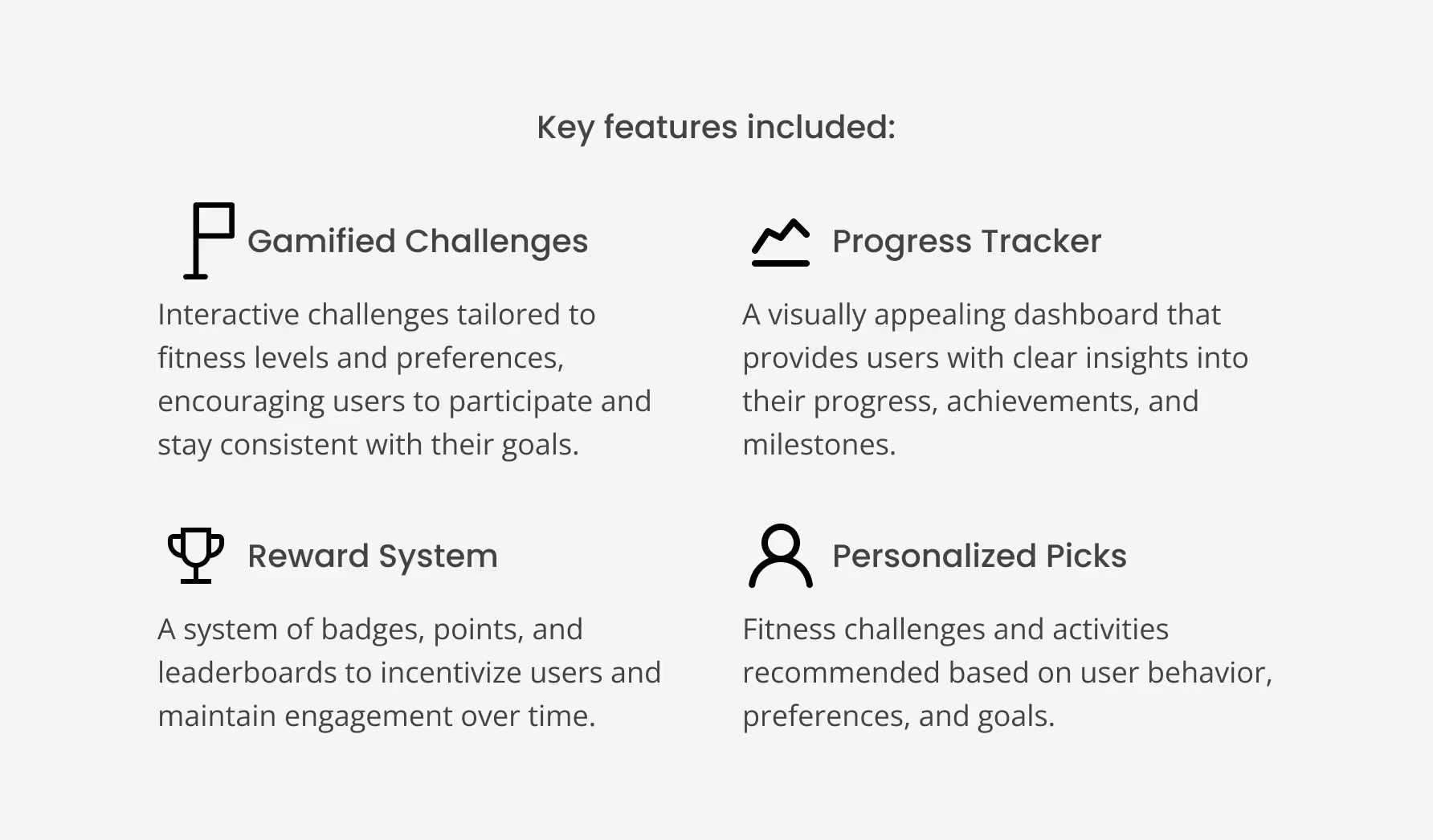
My solution was to design an engaging, gamified UI that motivates users to stay active by combining fitness challenges with tracking and reward systems. The design emphasizes usability, accessibility, and a seamless user experience.
The step-by-step setup guides users through selecting fitness preferences and syncing their devices.
Users personalize their activity goals by syncing data from their existing fitness apps, ensuring a tailored experience from the start.
Motivational language and clean visuals create a welcoming and inclusive first impression.
The dashboard provides users with an overview of their current challenges, progress metrics, and upcoming activities.
A dynamic leaderboard showcases top performers, encouraging friendly competition among peers.
Quick access to join new challenges or view completed ones ensures continuous engagement and motivation.
Option to create personalized challenges based on fitness goals and preferences
Step-by-step guidance for setting challenge parameters and inviting friends
Option to choose between quick daily challenges or extended story-mode challenges for longer-term engagement
Dive into the complete wellness app prototype, featuring full user flows, gamification elements, and responsive screen layouts in the original Figma file. All artboards, components, and handoff-ready specifications for the Gamify Wellness app are available for a deeper look.
Designing Gamify Wellness was an inspiring journey into turning everyday wellness into something motivating, social, and fun. Exploring the needs of both employees and companies revealed how thoughtful design can drive engagement and positive habits.
Huge thanks to the participants, testers, and collaborators who shared their time, stories, and insights. Your input shaped every screen.
Book a free 30-minute discovery call
Tell me what you're building.
I'll tell you how I can help and exactly what it will cost.
Currently taking new clients · Typical start: 1–2 weeks from contract